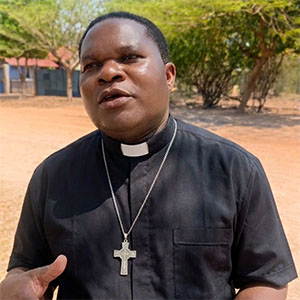
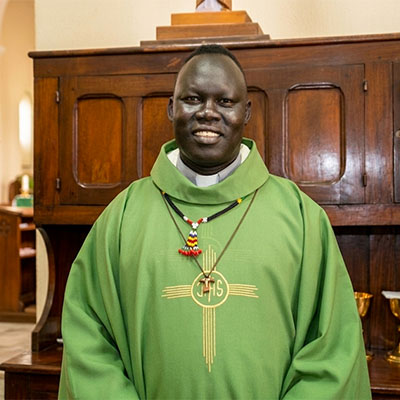
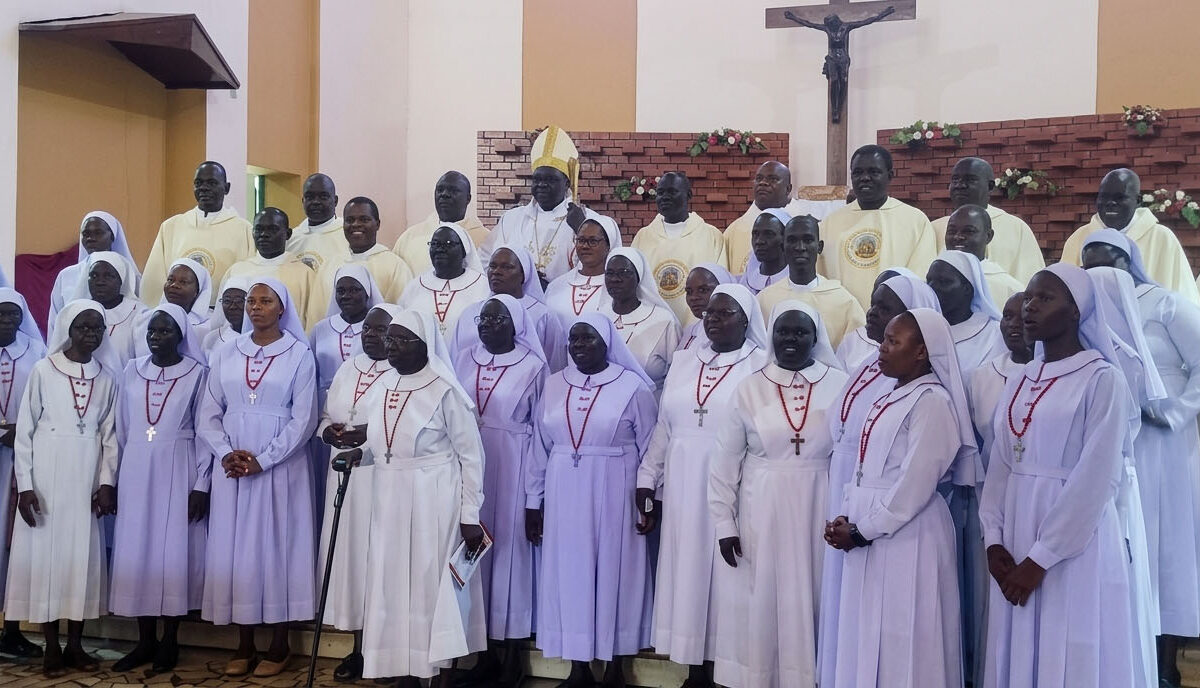
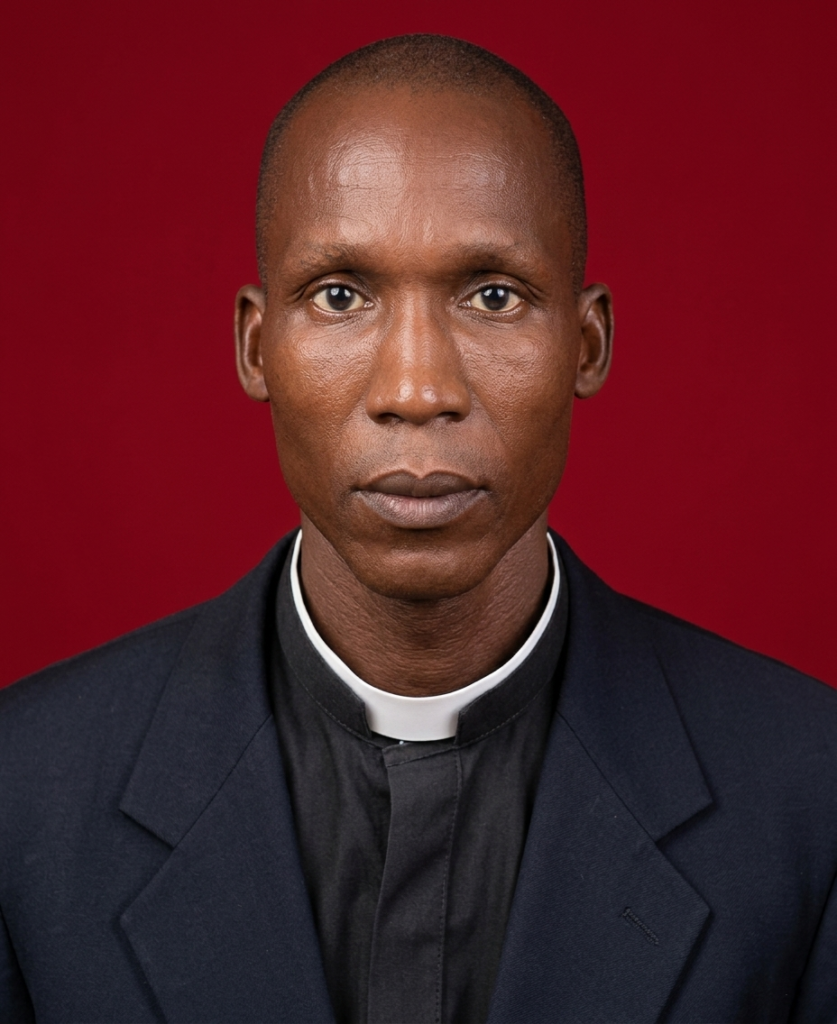
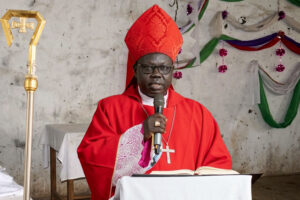
Father Innocent Bizimana, the newly elected Regional Councillor for the newly established East and Southern Africa Region of the Salesians of Don Bosco, has arrived in South Sudan for a key pastoral visit. The tour marks one of his first major initiatives since taking office following organizational updates enacted by the Congregation, which consolidated Salesian ministries across the continent into a vast geographic region.
The expanded jurisdiction now unites nine provinces across 21 nations: Sudan, South Sudan, Ethiopia, Eritrea, Kenya, Tanzania, Mozambique, Rwanda, Burundi, Uganda, Zambia, Malawi, Zimbabwe, Botswana, Angola, Namibia, South Africa, Lesotho, Madagascar, and Mauritius.
Arriving in Juba, Fr. Bizimana underscored that the primary objective of his itinerary is first-hand accompaniment and assessing the welfare of the religious community and its local impact.
“I came to South Sudan to visit the Salesians and to see, through this short visit, how life is going and how our pastoral work is progressing,” Fr. Bizimana shared. “May God bless you.”
Engaging with Local Catholic Media
Fr. Bizimana described the Radio Maria South Sudan, or Catholic radio network, as an indispensable spiritual and social asset for the country as it continues its path toward stability.
“I thank Radio Maria South Sudan for the good work they are doing,” he stated during his address. “It is a big power for the Church, and even for the country. You have to prepare yourselves to give a good message and to strengthen the people.”
A Blueprint for Impact: Prayer and Peacebuilding
The regional leader reminded the broadcast team that their programming carries a profound social responsibility, urging them to keep prayer and the promotion of national unity at the heart of their broadcasting identity.
“The first thing is to pray, because the topic of the radio is to keep the people in peace and to go ahead in the faith,” Fr. Bizimana emphasized, pointing out that the media remains a vital lifeline for fostering hope.
Today, we celebrate the Eleventh Sunday in Ordinary Time, a day that reminds us of God’s profound, unchanging love and his universal call to mission. In the first reading, God offers the people of Israel a wonderful future, proposing an alliance with them after freeing them from slavery in Egypt. He promises that if they listen to his voice and remain faithful, they will become a kingdom of priests and a holy nation—a people set apart and reserved for God. However, over the centuries, this message of hope suffered in transmission. By the time of Jesus, the religious leaders had diminished this grand vision, labeling only those who rigidly followed minutely detailed regulations as “holy,” while casting out the helpless and harassed as “sinners.”
It was precisely for these forgotten people, living without direction or purpose, that Jesus came to bring new hope. As the Gospel reveals, Jesus looks upon the crowds with deep compassion because they are like sheep without a shepherd. In a world where people are often only interested in furthering their own careers and comfort—ignoring the hungry, sick, and oppressed—Jesus acts. He calls and sends out the twelve apostles, a number intentionally linked to the twelve tribes of Israel, to signal the restoration and birth of a new people of God: the Church. The apostles are commanded to bring a radical message of hope: the Kingdom of God is at hand, and a new sort of life is available to everyone.
Our confidence in this new life does not rely on our own strength, as Saint Paul powerfully reminds us in the second reading to the Romans. Paul assures us that our salvation is not based on our good works, our qualities, or our unstable fidelity, but entirely on God’s unchanging love. Human love is weak; we rarely sacrifice for anyone outside our friends and family. Yet, God proved his love by giving his only Son to save us while we were still his enemies and far from him. If God loved us so deeply when we were broken, how much more will he sustain us now that he has justified us? Our sins will never overpower his love; we may abandon him, but he will never abandon us.
This overwhelming grace demands a response, shifting our focus from ourselves to the welfare of others. When Jesus orders his disciples to cure the sick, raise the dead, and drive out devils, he is not just speaking of physical miracles without medicine. Instead, these are vivid images of the spiritual and physical warfare every Christian is called to wage against anything that ruins human life. To undertake this mission, Jesus recommends that we pray. The true aim of prayer is not to convince God to change his mind, but to transform our own hearts from selfishness to generosity, a total conversion of behaviour that allows us to see the world through Christ’s eyes.
In conclusion, every single disciple of Christ, regardless of status, has been entrusted with this vital ministry. We are the modern Church, mandated to go out and proclaim that the Kingdom of God is close at hand through our tangible works of love. May we allow our hearts to be broken by what breaks the heart of Jesus, and may our prayer drive us into the world to fight for the spiritual and physical healing of our brothers and sisters. Amen.
Congratulatory message and blessings from the Cardinal, wishing you grace and blessings.
The feast of the Sacred Heart of Jesus is a significant event in the Catholic Church, often celebrated on the Friday after the octave of Corpus Christi. It symbolizes the immense love and mercy of Jesus Christ, representing his boundless love for humanity. The devotion to the Sacred Heart began with the vision of sister Margaret Mary Alacoque, who received about Jesus’ heart, emphasizing the need for people to return love through prayer and devotion. This feast invites Catholics to meditate on the infinite love of God for each individual, reflecting the profound mystery of the divine love.
The first reading of today, taken from the book of Deuteronomy, stated that “the Lord set his love upon you and chose you.” Referring to the people of Israel, a people sacred to the Lord: a holy people, a people set apart and not contaminated by the worship of false gods. The author of Deuteronomy stresses the notion of election by the covenant with God. Israel was defined as a holy people, and when speaking about being elected, the author of Deuteronomy added that it is not the virtue and strength of the nation that caused the election, but that the love of God for the patriarchs is the main reason for choosing their descendants. (Dt.7:7-8), “It was not because you are the largest of all nations that the Lord set his heart on you and chose you, for you are really the smallest of all nations. It was because the Lord loved you and because of his fidelity to the oath he had sworn to your fathers, that he brought you out with his strong hand from the place of slavery, and ransomed you from the hand of Pharaoh, king of Egypt.” That is why St. John says, “God is love.” Here, St. John does not make any difference between the love of God and the love of neighbor. That our faith in God is made possible and even perfect through the love we have for one another. “Those who abide in love abide in God, and God abides in them.” Through the love of God for us, we are called to bring the people to God, especially those in need, that is the fulfilment of the mystery of the Divine love to humanity, which is the reason for our prayer today. The congregation of the Sacred Heart of Jesus, here in the Archdiocese of Juba, is trying to uphold this mission of love. Loving God in our neighbor. Our society today is totally lost in this beautiful calling, and if we are not careful, we can be converted to their way of life, forgetting the purpose of our existence and mission to the world. The circular world has very advanced means to propagate its agenda of dominance, possession though violence and exclusion. As a result, wars keep emerging with effects of destruction and loss of human lives. Where is the love of God in human society today? It seems hatred is becoming more popular. It is hidden but revealed only to more children; those whose hearts are set on fire for others.
We are because God loved us, and our mission is to love God through his creation. And we are expected to act in God’s love embodied in us, because God abides in us as well. May God accept our prayers for the SHS congregation and bless them with more love for Him and the needy.
June is one of the richest months in the Catholic calendar, overflowing with saints, solemnities, martyrs, apostles, and profound devotions centered on the Sacred Heart of Jesus and the Immaculate Heart of Mary.
The Church invites the faithful to enter more deeply into the mysteries of divine love through the witness of holy men and women who gave everything to Christ.
Throughout June, the Blessed Virgin Mary appears repeatedly as Mother, Queen, disciple, and intercessor, always leading souls to her Son.
The month of June is traditionally dedicated to the Sacred Heart of Jesus. This devotion reminds Catholics that Christianity is not merely a philosophy or moral code, but a relationship with the living Heart of Christ — burning with love for humanity. The Sacred Heart reveals the mercy of God, wounded for sinners yet endlessly compassionate. Closely united to this devotion is the Immaculate Heart of Mary, whose heart beat perfectly in union with the Heart of her Son. The saints of June teach us how to live within these two Hearts.
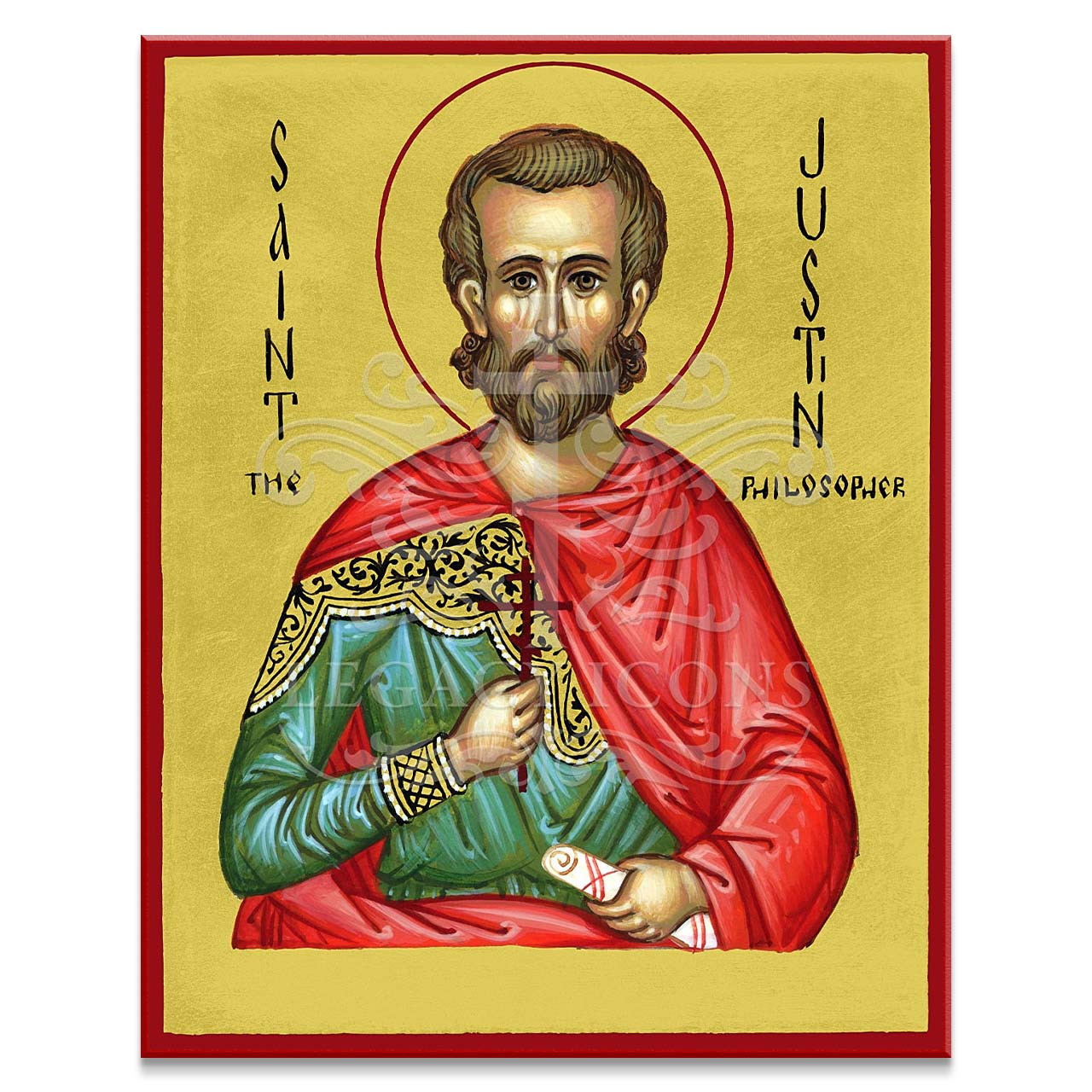
One of the first great feasts of the month is the Memorial of St. Justin Martyr on June 1. A brilliant philosopher of the second century, Justin searched tirelessly for truth before discovering Christ. He ultimately gave his life defending the Catholic faith before pagan authorities. His life reminds modern Catholics that faith and reason are not enemies. Like Mary, who pondered the mysteries of God in her heart, Justin sought truth with humility and courage.
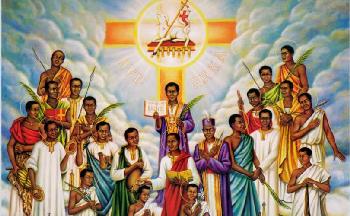
On June 3, the Church honors St. Charles Lwanga and Companions, the Ugandan martyrs who died protecting purity and fidelity to Christ. These young men courageously resisted immoral demands from a corrupt king and were burned alive for the faith. Their witness echoes the purity of the Blessed Virgin Mary, whose total consecration to God became the model of holiness for all Christians. In a culture often hostile to chastity and virtue, these martyrs proclaim that holiness is worth dying for.
June 5 brings the feast of St. Boniface, the fearless missionary bishop known as the “Apostle of Germany.” He evangelized pagan peoples with remarkable courage, famously cutting down a sacred pagan oak tree dedicated to Thor. Boniface reminds Catholics that the Gospel transforms cultures. Like Mary crushing the serpent beneath her feet, the saints conquer darkness not by worldly power but through obedience to God.
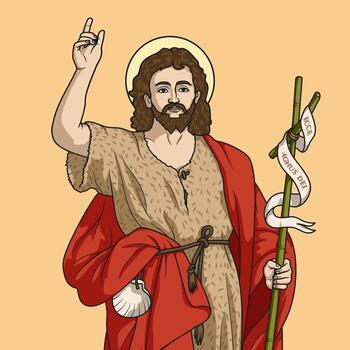
One of the most beloved solemnities of June is the Nativity of St. John the Baptist on June 24. John is unique among the saints because the Church celebrates his birth rather than only his death. Sanctified in the womb at the Visitation, John leapt for joy in the presence of Jesus hidden within Mary. This feast beautifully highlights Mary’s role as the first tabernacle of Christ. Wherever Mary goes, Jesus is present. John’s entire mission was to decrease so Christ could increase — the very spirit of Marian discipleship.
June 29 celebrates Saints Peter and Paul, pillars of the Church. Peter, the first pope, and Paul, the great missionary apostle, gave their lives in Rome for Christ. Their feast demonstrates the universality and apostolic authority of the Catholic Church. Mary stood beside the apostles in prayer at Pentecost, strengthening the infant Church with maternal love. The courage of Peter and Paul grew from the same Holy Spirit who overshadowed the Virgin Mary at the Annunciation.
June is also marked by two deeply Marian celebrations connected to the Sacred Heart. The Solemnity of the Sacred Heart of Jesus is followed immediately by the Memorial of the Immaculate Heart of Mary. The Church intentionally places these feasts together because the hearts of Jesus and Mary are inseparable. Mary’s heart reflects perfectly the love, mercy, and suffering of Christ. Devotion to her Immaculate Heart calls Catholics to purity, reparation, prayer, and total trust in God.
The saints of June are remarkably diverse: martyrs, missionaries, scholars, apostles, mystics, and pastors. Yet they share one common characteristic — radical love for Jesus Christ. Nearly all of them also possessed a deep devotion to the Blessed Virgin Mary. This is no coincidence. Every authentic saint becomes Marian because Mary always leads souls closer to Christ.
As Catholics journey through June, the Church offers a powerful spiritual invitation: enter the Sacred Heart of Jesus through the Immaculate Heart of Mary. The saints show that holiness is not reserved for a select few. It is the universal call of every baptized Christian.
In an age marked by confusion, division, and moral compromise, the holy men and women of June stand as radiant witnesses that sanctity is still possible. Through the prayers of the Blessed Virgin Mary and all the saints, may the faithful grow in courage, purity, truth, and burning love for Christ.
Thank you!
Fr. Charles Busak
Director of Social Communication, Archdiocese of Juba
SAINT CHARLES LWANGA, ST. KIZITO AND COMPANIONS, UNGANDA MARTYRS 3/06/2026. Today, together with the whole Church, we honour twenty-two Ugandan martyrs. They are the first martyrs of sub-Saharan Africa and true witnesses of the Christian faith. Charles Lwanga, a catechist and a young leader, was martyred in 1886 in Namugongo, in the outskirts of Kampala; they were both Catholics and Anglican royal pages, some of whom were not yet Baptist. King Mwanga, who despised the Christian religion gave orders that all the Christian pages in his service be laid upon a mat, bound, placed onto a pyre and burnt.
The story of the seven brothers in the second book of the Maccabees that we just read, clearly indicated to us that, the seven brothers have the courage to give up their lives because they are sure that God will grant them another one. Jesus will die on the cross with the same hope that the end corresponds to the beginning of the new life.
The second reading from the letter of St. Paul to the Romans, relates to us that nothing can separate us from the love of God. This is simply because there is often far too much separation between our life and our believe, between our faith and our practice of it. (The story of the pastor and the chicken be told if possible). Often we live in fear of the evil spirits and we seem to forget that no created thing can ever come between us and the love of God made visible in Christ Jesus. We should and are expected to relate the sacraments to our real life situation.
The love of God. God did not make the first human beings because he needed company, but because he wanted someone to whom he could show his generosity and love. God did not tell us to follow him because he needed our help, but because he knew that loving him would make us whole; complete.
The Gospel lends us to the Beatitudes. These are eight blessings taught by Jesus in the sermon on the Mount; highlighting virtues and attitudes that lead to spiritual fulfilment and the kingdom of Heaven. The Beatitudes opens the sermon on the Mount and present a radical vision of life in the kingdom of Heaven, each begins with “Blessed are…and describes a quality or circumstance that brings divine favour, emphasizing spiritual joy rather than worldly happiness. The term Beatitude comes from the Latin word, “Beatus”, meaning Blessed or Happy, reflecting a deep, enduring joy rooted in God’s Grace rather than external circumstances.
Practical Application: The Beatitudes call believers to live counter culturally, prioritizing Humility, compassion, and righteousness over worldly success. They encourage daily practices such as prayer, dependence on God, mercy towards others and peacemaking. By embodying these virtues, individuals experience spiritual joy and foretaste of the kingdom of heaven amid challenges.
Key takeaway: The Beatitudes are not merely moral instructions, but an invitation to a transformed life. They define the character of the idea! disciple and promise both present spiritual fulfilment and future reward in God’s kingdom. Living according to these principles, fosters deep lasting joy and aligns all believers with values of the kingdom of heaven.
Each of the eight beatitudes explained.
1. Blessed are the poor in spirit, for theirs is the kingdom of Heaven. This refers to humility and recognizing spiritual neediness. Those who acknowledge their dependence on God are open to his grace and guidance.
2. Blessed are those who Mourn, for they shall be comforted. Mourning here includes sorrow over sin and the brokenness of the world. God promises comfort and restoration to those who are honest about their pain.
3. Blessed are the Meek, for they shall inherit the Earth. Meekness involves self-control and gentleness. It is the opposite of aggression or pride, reflecting trust in God’s justice and timing. God’s time is the best.
4. Blessed are those who hunger and thirst for righteousness, for they shall be filled/satisfied. This emphasizes a deep desire for justice, moral integrity and alignment
with god’s will. God satisfies those who earnestly seek righteousness.
5. Blessed are the merciful, for they shall obtain mercy. Showing compassion and forgiveness to others opens the way for God’s mercy in one’s own life.
6. Blessed are the pure in heart, for they shall see God. Purity of heart involves sincerity, integrity and single-minded devotion to God. Such individuals experience a closer relationship with him.
7. Blessed are the peacemakers, for they shall be called children of God. Peacemakers actively seek reconciliation and harmony reflecting God’s character and being recognized as his children,
8. Blessed are those who are persecuted for righteousness’ sake, for theirs is the kingdom of Heaven. Enduring persecution for living according to God’s principles brings spiritual reward and participation in his kingdom.
The sermon on the Mount as recorded in the book of Mathew (cf. 5-7) took place when Jesus
was just beginning his early ministry after being baptized by John and now travelling through
galilee. On a Mount side, not far from Capernaum, Jesus stopped to give his longest and most popular sermon. Giving this event the name “sermon on the mount”, Jesus’ teachings in this message include what’s known as the Lord’s prayer as well as the beatitudes.
The focus of the sermon on the mount was how to live a life pleasing to God and the
characteristics of Christian discipleship. This sermon was a revelation through Jesus to his People;
It serves as a radical wake-up call for Christian to live wholeheartedly for God through faith, not
simply through external actions of keeping the Jaw. Our Saviour used this passage to teach us
how to live with the kingdom of God in mind. The sermon on the mount is not simply a list of rules to follow. It is an invitation to live under grace and experience blessings and rewards from living Christ-like.
During the canonization of the Ugandan Martyrs in on 18 October 1964, Pope Paul VI said “First, have
great love for Jesus Christ. Second, be faithful to the Church. Third, be strong and ourageous, and fourth
be happy and joyful always. Because remember this always, the Christian life is a most beautiful thing”